

Uplighting vs Downlighting: Which Works Best for Your Space & Trees?


When it comes to outdoor lighting, choosing between uplighting and downlighting can dramatically change how your home and landscape appear after dark. Each technique serves different purposes and creates unique effects that can transform your outdoor space.
Understanding the Basics
Uplighting means placing lights at ground level and directing them upward to highlight features above. This creates dramatic effects and emphasizes architectural details. Downlighting, installed above and aimed downward, mimics natural moonlight and provides gentle illumination for practical purposes.
| Feature | Uplighting | Downlighting |
| Installation Height | Ground level | 12-40 feet high |
| Best Uses | • Architecture details •Tree trunks •Walls •Columns | • Pathways • Patios • Garden beds • Tree canopies |
| Effect Style | Dramatic, bold | Soft, natural |
| Installation Cost | Lower | Higher |
| Maintenance Ease | Easier access | May need professional help |
Uplighting: Creating Drama and Impact
Uplighting shines when you want to create bold, dramatic effects. It’s particularly effective for highlighting your home’s architectural features and making trees look majestic. By placing lights at the base of walls or trees, you can create striking shadows and emphasize textures that go unnoticed during daylight.
For trees, uplighting showcases stunning bark textures and branch structures. Place fixtures 2-3 feet from the trunk, angling them to capture the tree’s natural architecture. This technique works beautifully with trees like birch, oak, or Japanese maples that have interesting bark or branch patterns.
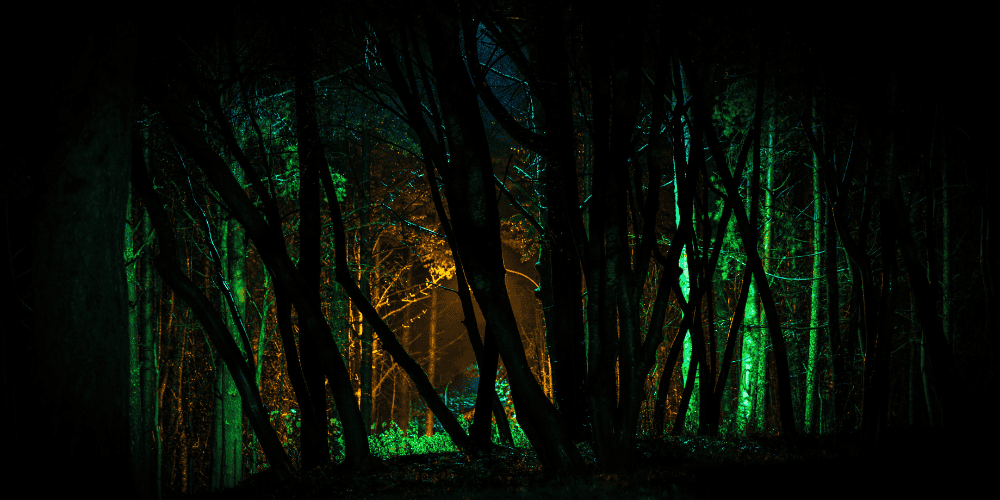
Downlighting: Natural Beauty from Above
Downlighting creates a softer, more natural effect that feels like moonlight filtering through trees. When mounted high in tree branches or on your home’s exterior, downlighting provides practical illumination while maintaining a subtle ambiance. This technique excels at lighting pathways, seating areas, and garden spaces.
When downlighting trees, the light gently filters through leaves and branches, creating beautiful shadow patterns below. This works especially well with trees that have spreading canopies, providing both beauty and functional lighting for outdoor living spaces.
Making the Right Choice
Consider these factors when deciding between uplighting and downlighting:
Purpose
- Choose uplighting to highlight architectural features and create drama
- Use downlighting for practical illumination and natural ambiance
Location
- Front-of-house lighting positions often benefit from a combination of both
- Landscape lighting placement guide suggests uplighting for focal points and downlighting for living spaces
Maintenance
Uplighting fixtures are easier to maintain since they’re at ground level. Downlighting might require professional help for bulb changes and adjustments, especially when installed high in trees.
Best of Both Worlds
Most successful outdoor lighting designs combine both techniques. For example:
- Uplight your home’s facade while downlighting the pathway leading to your door
- A great tree lighting idea is to highlight a tree’s trunk with uplighting while creating gentle moonlight effects through its canopy with down lighting.
- Use uplighting for architectural features and downlighting for functional spaces
Professional Tips for Success:
- Start with less light than you think you need. This approach prevents over-illumination and reduces energy costs
- Consider seasonal changes when placing fixtures
- Use LED lights for energy efficiency
- Install timers for convenience and security. Professional installation includes automated lighting controls.
Final Thoughts
The choice between uplighting and downlighting isn’t always an either/or decision. Each technique has its strengths, and combining them often creates the most appealing and functional outdoor lighting design. Whether you’re highlighting your home’s best features or creating a welcoming outdoor space, understanding these techniques helps you make informed choices for your landscape lighting project.
Remember: Good lighting design is about enhancing your property’s natural beauty, not overwhelming it. Start with a plan, consider both techniques, and don’t be afraid to combine them for the best results.


