

Why Use MR16 for Soffit Lighting?


When you’re adding lights under your soffits, the question usually isn’t if you should add lighting — it’s what type makes sense.
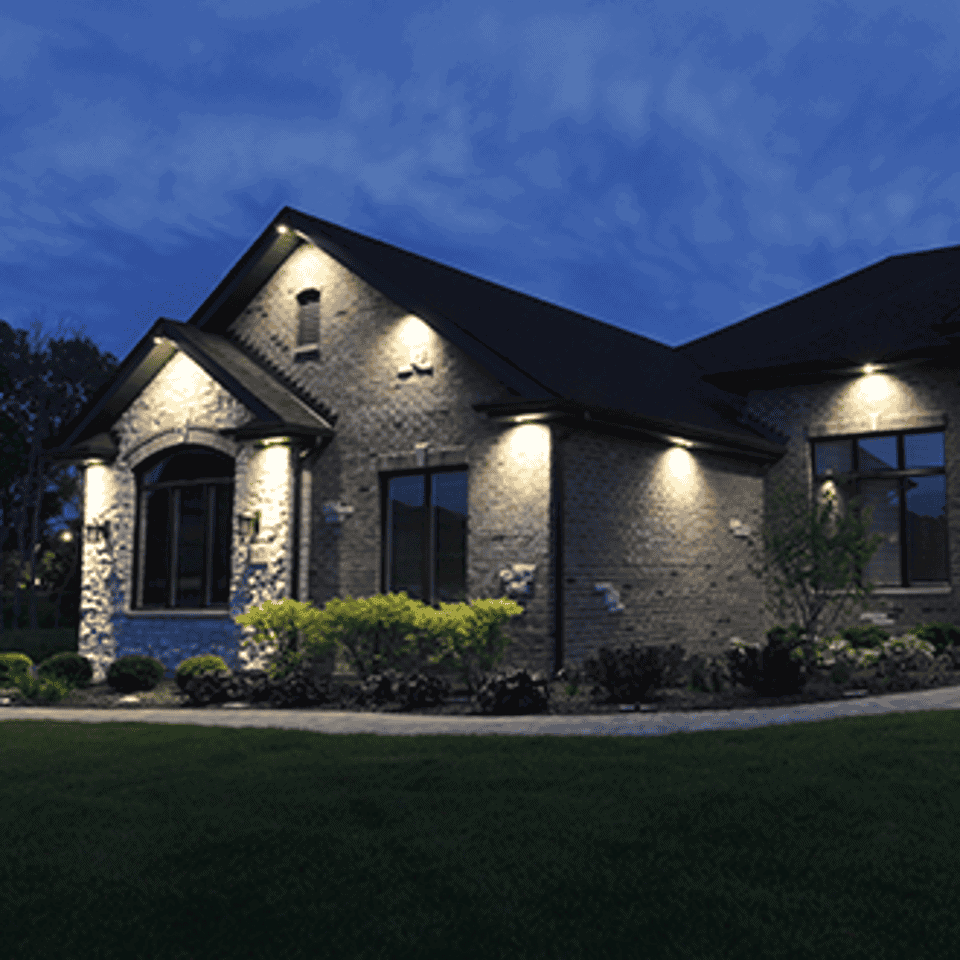
Most soffits don’t give you much room to work with, and the wrong fixture can lead to glare, uneven lighting, or a bulky look that stands out for the wrong reasons. That’s why, for many homes and installs, MR16 lights end up being the go-to option.
They’re compact, easy to control, and designed to put light exactly where it’s needed.
Here’s a straightforward look at why MR16 lights work so well for soffit lighting, without getting overly technical.
What Is an MR16 Light?
An MR16 is a small, directional light commonly used in recessed and accent lighting. You’ll see them in ceilings, under eaves, and in outdoor fixtures where clean, controlled light matters.
People choose MR16s because they:
- Stay small and low-profile
- Put light where you aim it
- Avoid light spilling into windows or eyes
- Work well in shallow soffits
Most MR16s today are LED, which means they use very little power and last far longer than older bulb types.
Why MR16 Lights Make Sense for Soffits
They Fit Where Other Lights Don’t
Soffits are often shallow, especially on older homes or houses with vinyl or aluminum trim. Larger cans or bulky fixtures can be hard — or impossible — to install without opening things up.
MR16 fixtures are compact, which makes them a natural fit for:
- Vinyl soffits
- Aluminum soffits
- Shallow wood soffits
A drop-in fixture like the Hideaway Soffit MR16 Drop In is commonly used in these situations because it installs flush and doesn’t require a deep housing. That makes it easier to install in shallow soffits without modifying the exterior.
Once installed, they sit clean and flush, without hanging down or drawing attention to the fixture itself.
They Put the Light Where You Actually Want It
A common mistake with soffit lighting is ending up with hot spots or streaks on the siding. That usually happens when the light spreads too wide or shoots outward instead of down.
MR16 lights avoid this because:
- They aim light down the wall, not out toward the yard
- You can select the beam angle that matches the height of the house
- The result is an even wash instead of glare
This kind of control is why installers rely on MR16s when they want a clean, professional look.
Spacing Is Easier and More Predictable
Because MR16 lights are directional, planning the layout is more straightforward.
A common setup is:
- Lights spaced 4–6 feet apart
- Fixtures set 24–36 inches from the wall
Since the light is controlled, you don’t need to over-install to fill dark spots. Fewer fixtures usually means:
- Less wiring
- Fewer holes in the soffit
- Lower labor and material costs
LED MR16s Stay Cool
Older halogen bulbs ran hot, which isn’t ideal inside a soffit with wood, insulation, or limited airflow.
LED MR16s:
- Run much cooler
- Are safer in tight spaces
- Last significantly longer
That makes them a better choice for soffit lighting you don’t want to revisit in a few years.
They Work for Both Accent and Practical Lighting
MR16s aren’t just for looks. They’re flexible enough to handle different areas of the house.
They’re commonly used for:
- Soft accent lighting along walls
- Brighter lighting near doors and garages
- Walkway and entry illumination
You adjust the effect by choosing:
- Beam angle
- Brightness
- Color temperature
That flexibility is a big reason MR16s are so widely used.
Choosing the Right Beam Angle for Soffit Lighting
Here’s a simple reference most installers follow:
| Beam Angle | Best Used For | Notes |
|---|---|---|
| ~40° | Tall walls, focused downlighting | More defined light, less spread |
| ~60° | Most soffit installs | Balanced wash down the wall |
| 90°+ | Short walls or softer look | Wider spread, less contrast |
Most homes look best with a 60° beam, especially for standard soffit heights.
Conclusion
In soffit applications, fit and light control matter more than anything else. MR16 fixtures handle both, which is why they’re commonly used when depth is limited and results need to be consistent. It’s a straightforward solution that works across a wide range of soffit types.
