

Brass vs Aluminum Landscape Lights: Which Is Better for Installers?

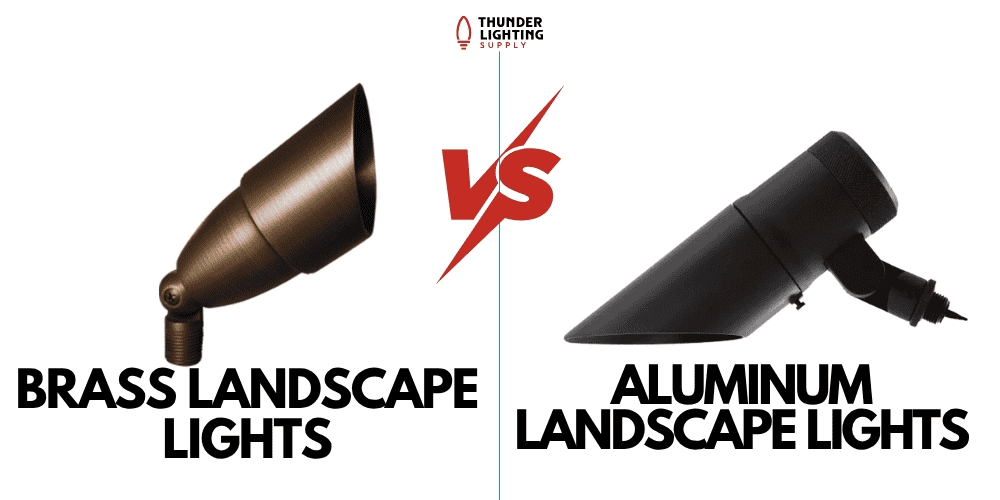
When choosing landscape lighting fixtures for an outdoor project, the material matters almost as much as the light output. For professional installers, the decision often comes down to two popular options: brass vs aluminum landscape lights.
Both materials have their advantages. Brass is known for durability and corrosion resistance, while aluminum offers a lightweight and cost-effective option for many residential and commercial applications.
The right choice depends on the property, environment, budget, installation requirements, and the customer’s expectations for long-term performanc
Brass vs Aluminum Landscape Lights at a Glance
Here’s a quick comparison of the two materials:
| Feature | Brass Landscape Lights | Aluminum Landscape Lights |
| Durability | Excellent | Very good |
| Corrosion resistance | Excellent | Good with proper coating |
| Weight | Heavier | Lightweight |
| Upfront cost | Higher | Lower |
| Appearance | Premium, traditional | Clean and versatile |
| Installation handling | More substantial | Easier to handle |
| Long-term applications | Excellent | Very good |
The choice of landscape lighting fixture materials can have a significant impact on durability, appearance, and long-term performance. But the material itself isn’t the only factor to consider. Housing thickness, seals, wiring, mounting hardware, and the quality of the finish can all affect how a fixture performs outdoors.
Brass Landscape Lights: Pros and Cons
Brass has earned a reputation as a premium material for landscape lighting. It is especially popular with installers working on high-end residential properties and projects where long-term durability is a priority.
Advantages of Brass Landscape Lights
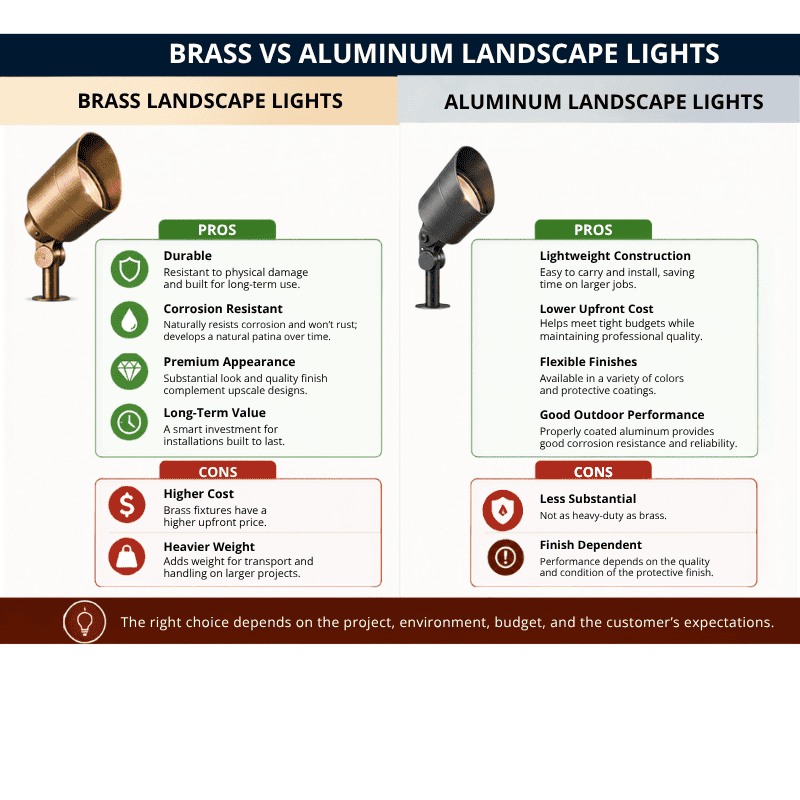
Durability: Brass fixtures are substantial and resistant to physical damage. This can be useful around lawns, walkways, planting beds, and other areas where fixtures may encounter lawn equipment, foot traffic, or shifting soil.
Corrosion resistance: Brass naturally resists corrosion and does not rust like iron or steel. Unfinished brass can also develop a patina over time, which can give fixtures an attractive aged appearance.
Premium appearance: The weight and finish of brass can complement upscale landscape designs, architectural features, and higher-end residential properties.
Long-term value: For customers who want an installation designed to last, the additional upfront cost of brass may be easier to justify.
Disadvantages of Brass
The biggest consideration is cost. Brass fixtures generally have a higher purchase price than comparable aluminum fixtures.
Brass is also heavier. For an installer carrying dozens of fixtures across a large property, that additional weight can affect transportation and handling.


Aluminum Landscape Lights: Pros and Cons
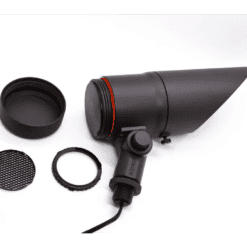
Aluminum is widely used in landscape lighting because it provides a practical combination of low weight, affordability, and performance.
Advantages of Aluminum Landscape Lights
Lightweight construction: Aluminum is easier to carry and handle during installation. On larger projects, that can be a meaningful advantage.
Lower upfront cost: Aluminum can help installers meet tighter project budgets while still providing a professional-looking lighting system.
Flexible finishes: Aluminum fixtures are commonly available with protective coatings in different colors and finishes, giving installers more design flexibility.
Good outdoor performance: Properly coated aluminum can provide good corrosion resistance and dependable service in many outdoor applications.
Disadvantages of Aluminum
Aluminum is generally less substantial than brass, and its outdoor performance can depend more heavily on the quality and condition of its protective finish.
That makes fixture construction important. A well-made aluminum fixture with a durable finish, proper seals, quality hardware, and outdoor-rated components can be a much better choice than a poorly constructed fixture made from a supposedly premium material.
Which Is Better for Landscape Lighting Installers?
There isn’t one answer that applies to every installation.
Instead, installers should match the fixture material to the property and the customer’s priorities.
Choose Brass When:
- Long-term durability is the top priority
- The project is a high-end residential installation
- Fixtures will be exposed to demanding outdoor conditions
- The customer wants a premium fixture
- A traditional or naturally aged appearance fits the landscape
- The project budget allows for a higher initial fixture cost
Choose Aluminum When:
- Keeping material costs under control is important
- Lightweight fixtures are preferred
- Installation efficiency is a priority
- The project calls for specific colors or finishes
- The environmental conditions are appropriate for coated aluminum
- The customer wants a good balance between cost and performance
For many professional installers, carrying both options makes sense. It allows you to specify the material based on the application instead of using the same fixture construction on every job.
Consider the Environment
The installation environment should also influence your fixture choice. Coastal properties, high-moisture areas, and locations exposed to irrigation or fertilizers can be harder on outdoor fixtures.
Brass is often a strong choice for demanding environments because of its natural corrosion resistance. Aluminum can also perform well when properly coated and installed according to the manufacturer’s specifications.
Final Thoughts
When comparing brass vs aluminum landscape lights, there isn’t a universal winner.
Brass is a strong choice when durability, corrosion resistance, and a premium appearance are priorities. Aluminum makes sense when lower cost, lighter weight, and finish options are more important.
For installers, the best approach is to match the fixture material to the property’s environment, the customer’s expectations, and the project budget.
FAQs
Which is better for coastal areas?
Brass is often preferred for coastal installations because of its corrosion resistance, although the quality of the entire fixture should also be considered.
Are brass landscape lights worth the extra cost?
For premium installations where long-term durability and appearance matter, the additional cost of brass can be worthwhile.
Can brass and aluminum fixtures be used on the same landscape lighting system?
They can, but installers should pay attention to the connections and hardware when different metals are used together. Proper connectors and installation practices can help reduce corrosion concerns.
What should installers look for besides the fixture material?
Look at the finish, housing, seals, lenses, wiring, connectors, mounting hardware, and overall build quality. A good material cannot make up for poor construction or installation.
