Safe Walkways: How Pathlights Reduce Falls and Trips


Have you ever missed a step in the dark? Maybe it was coming home late or walking the dog after sunset. One misstep can lead to a sprained ankle—or worse. The truth is, many homeowners don’t realize how risky their own walkways can be until someone gets hurt.
Safe walkways start with visibility. Whether it’s your front steps, garden path, or driveway edge, landscape lighting plays a key role in preventing falls, guiding visitors, and making your home feel secure. The good news? You don’t need a full remodel, just a smart lighting plan.
Why Safe Walkways Matter More Than Ever
According to the CDC, falls are a leading cause of injury among older adults. One in four Americans aged 65 or older falls each year, with many of these dangerous incidents happening right outside their own homes.
What’s often to blame? Poor lighting. Steps and walkways that look fine during the day become safety hazards after sunset. That’s where pathlights come in—they make those trip points visible and easy to navigate.
Tips and Examples for Ideal Pathlight Placement
Start and End: Illuminate Every Step
Effective pathlight placement begins with eliminating dark zones. Begin your lighting layout with fixtures at both the entrance and exit of your walkway. Studies recommend positioning lights at these critical points to ensure there are no unlit gaps along the path. This simple step makes your walkway consistently safe, from curb to door.
Keep Lights Close—But Not Too Close
For most residential paths, spacing of 6–8 feet between fixtures works best. This range provides balanced coverage while minimizing shadows. On stairs or narrow passages, closer spacing—around 5 feet—helps avoid dark spots where trips often happen.
Choose Fixtures That Match Your Path
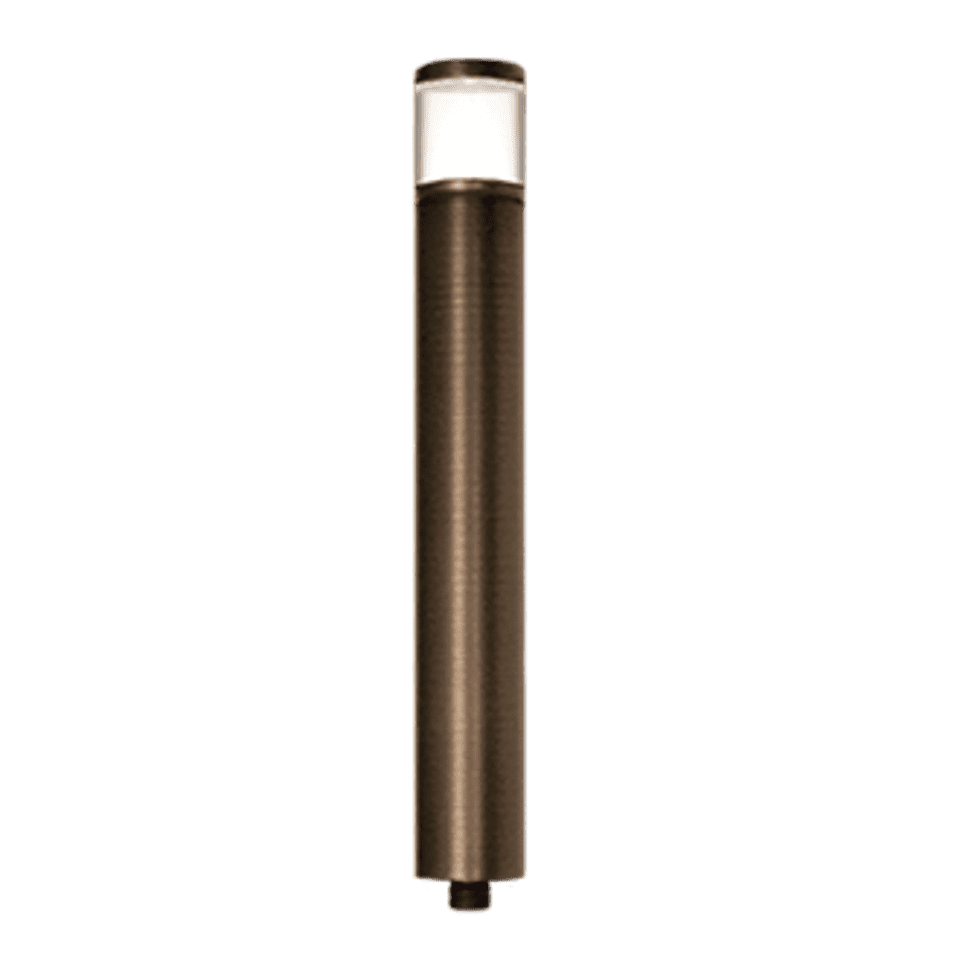
Take recessed lights on stair risers, for example. One homeowner told us that after installing them, “nighttime entries feel completely safe—no more guessing where each step is.” In garden settings, alternating small stake lights every 6–8 feet casts a soft, inviting glow. Meanwhile, taller 18-inch bollard lights serve driveways well by marking the edges without creating glare. These real-life examples show how aligning fixture style with location builds both safety and charm.
Add Soft Ambience with Downlighting
If your walkway runs under trees, consider combining pathlights with moonlighting—a technique of installing discreet downlights in branches overhead. This soft, natural lighting provides gentle fill and can even replace some pathlights in dimmer areas. It adds atmosphere while maintaining visibility.
Lighting Levels & Fixture Guide
To create safe walkways, it helps to think in simple light measures, like foot‑candles (fc), a homeowner-friendly way to describe brightness. Here’s how much light different areas need:
| Area Type | Brightness Needed | Finished Look with These Fixtures |
|---|---|---|
| Steps | About 10 fc | Recessed step lights ensure each edge stands out |
| Walkways/Driveways | 1–2 fc | Stake lights or bollards create even, gentle lighting. This offers gentle guidance without glare. |
| Wider or Curving Paths | 1–2 fc | A few down-lights under trees add soft, ambient fill |
These levels align with outdoor-lighting standards—campus and streetscape regulations often recommend 1 foot-candle minimum for walkways and up to 10 foot-candles for steps.
Where to Buy Quality Pathlights
Choose trusted brands with weather-resistant finishes, adjustable beam angles, and reliable performance. Thunder Lighting Supply’s curated range includes everything from recessed LEDs for steps to classic bollards—perfect for creating your own well-lit, welcoming pathway.


Call for Availability