

Soffit Lighting vs Uplighting: Which Makes Installers More Money?

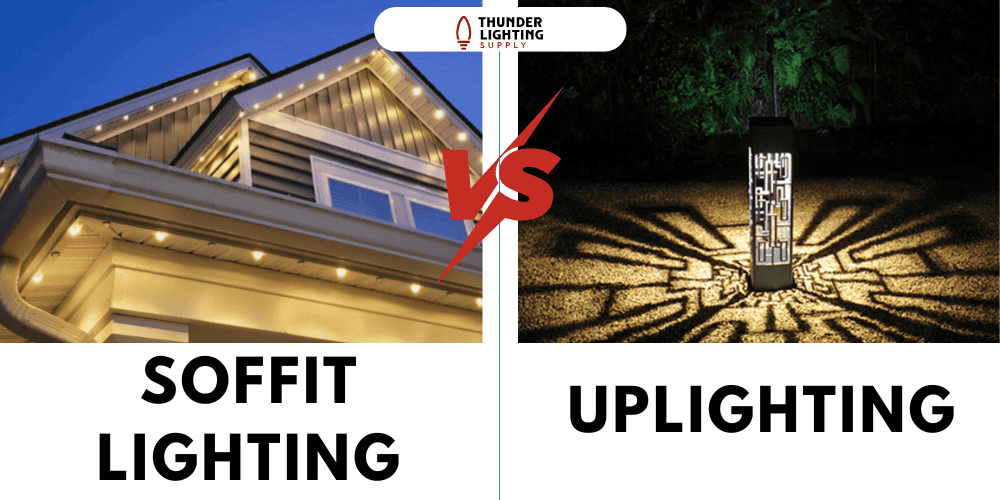
For installers, exterior lighting isn’t about how it looks on day one. It’s about labor time, callbacks, and whether the job stays done.
Labor costs are up. Callbacks eat schedules. Customers expect cleaner, more permanent solutions. Because of that, more installers are rethinking how exterior lighting fits into their business, not just how it looks on a house.
For many, the shift is toward scalable lighting services. Systems that install consistently, require less maintenance, and can be repeated job after job without surprises. This is where the conversation around soffit lighting vs uplighting really starts.
Before breaking down labor hours, callbacks, and costs, here’s how these two options typically stack up from an installer’s point of view.
Soffit vs Uplighting Installer Profit Snapshot
| Category | Winner |
|---|---|
| Install consistency | Soffit lighting |
| Callback reduction | Soffit lighting |
| Labor efficiency | Soffit lighting |
| Initial simplicity | Uplighting |
| Long-term profitability | Soffit lighting |
The table tells part of the story, but not all of it. Uplighting can still feel simpler at the start of a job, while soffit lighting tends to perform better once labor, service calls, and long-term value are factored in.
Now let’s get into why these differences matter, and how they impact profit per job for installers.
How Installers Really Make Money on Lighting Jobs
Profit isn’t just about what you charge. It’s about what you keep after:
- Labor hours
- Material waste
- Service calls
- Warranty work
- Unpaid truck rolls
Two jobs can pay the same on paper and perform very differently in the real world.
Installation Time Comparison
Installation time is often the biggest profit lever installers control.
| Factor | Soffit Lighting | Uplighting |
|---|---|---|
| Crew size | 1–2 installers | 1–2 installers |
| Average install time | 1–2 days | 1–2 days |
| Ground prep | None | Trenching / staking |
| Cleanup | Minimal | Moderate to heavy |
| Rework risk | Low | Medium to high |
Installer takeaway: Soffit lighting installs tend to be more predictable. Uplighting installs vary widely depending on soil, landscaping, and property conditions.
Material, Equipment, and Hidden Costs
At first glance, uplighting looks simple. In practice, it carries hidden installer costs that don’t always show up on the invoice but show up later in labor, callbacks, and schedule disruptions.
| Cost Area | Soffit Lighting | Uplighting |
|---|---|---|
| Fixture exposure | Protected | Exposed to elements |
| Landscaping interference | None | High |
| Fixture replacement | Rare | Common |
| Wire protection | Concealed | Vulnerable |
| Long-term maintenance | Low | Ongoing |
Installer takeaway: Costs that require return visits or unplanned labor reduce real profit. Systems that stay out of harm’s way protect installer margins long after the install is complete.
Where to Find Wholesale-Priced Lighting Materials
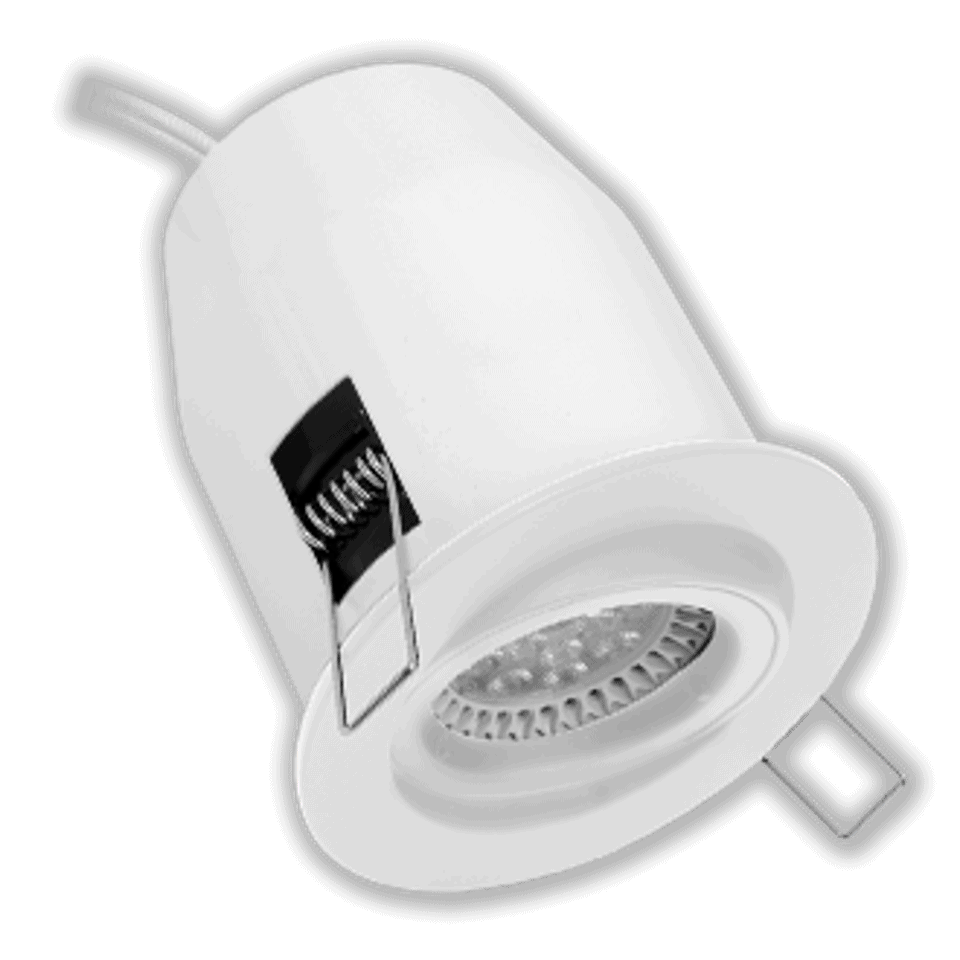
Material costs directly impact profit per job. One way installers protect margins is by reducing material costs through wholesale sourcing. Installers working with Thunder Lighting Supply gain access to contractor-grade soffit and exterior lighting systems priced for repeat installs, helping limit overruns, delays, and margin loss.

Callbacks, Maintenance, and Warranty Work
This is where uplighting quietly kills margins.
Common Uplighting Callback Reasons
- Fixture knocked out of alignment
- Water intrusion
- Cut or exposed wiring
- Landscaping changes after install
Every callback costs:
- Fuel
- Labor
- Opportunity cost
Callback Frequency Comparison
| Category | Soffit Lighting | Uplighting |
|---|---|---|
| First-year callbacks | Low | Moderate to high |
| Seasonal adjustments | Optional | Often required |
| Warranty claims | Minimal | Common |
| Unpaid service visits | Rare | Frequent |
Installer reality: The job you finish once is always more profitable than the job you revisit three times.
Profit Margins Per Job
Exact pricing varies by market, but margin behavior is consistent.
Installer Margin Comparison (Typical Ranges)
| Metric | Soffit Lighting | Uplighting |
|---|---|---|
| Average job value | Higher | Lower to mid |
| Revenue per labor hour | High | Medium |
| Ongoing service revenue | Optional | Often required |
| Profit stability | Consistent | Erodes over time |
Soffit lighting jobs tend to produce higher revenue per labor hour, which is one of the cleanest indicators of installer profitability.
When Uplighting Still Makes Sense
Uplighting isn’t dead. It still has a place.
Good use cases:
- Landscape feature accents
- Trees and focal points
- Hybrid installs paired with soffit lighting
The difference is that many installers now use uplighting selectively, not as the primary system.
Conclusion
For installers, soffit lighting and uplighting aren’t competing services. They work best as a service mix.
Soffit lighting can be offered as a primary, scalable system, while uplighting can be upsold for properties with larger landscapes or focal features. Used this way, installers increase job value without adding unnecessary callbacks or complexity.
To support this approach, Thunder Lighting Supply offers free installer training events covering soffit lighting, uplighting, and real-world installation best practices.
The most profitable lighting jobs are the ones that install cleanly, stay done, and fit the property.
