

Installing Soffit Lighting: A Practical Guide for Installers


Soffit lighting has quietly become one of those upgrades clients didn’t know they wanted until they see it glowing at dusk. For installers, it’s a high-value add-on that blends electrical skill, exterior detailing, and clean finish work.
But installing soffit lighting correctly is not just about cutting holes and snapping in fixtures. It’s about system planning, power management, layout precision, and choosing products that reduce callbacks.
At Thunder Lighting Supply, we work directly with installers every day. We see which soffit lighting systems install cleanly, which ones create service issues, and which setups hold up in real-world weather conditions. This guide reflects that field-level reality.
Why Installers Are Being Asked to Install Soffit Lights More Often
Homeowners and commercial property managers are moving away from bulky exterior fixtures and toward clean, architectural lighting. Soffit lights deliver that understated look while improving safety, visibility, and curb appeal.
From an installer’s point of view, soffit lighting:
- Integrates well with siding, roofing, and exterior remodel projects
- Pairs naturally with LED upgrades and smart controls
- Creates repeat work through expansions, retrofits, and future phases
Contractors who understand soffit lighting as a system, not an afterthought, separate themselves quickly.
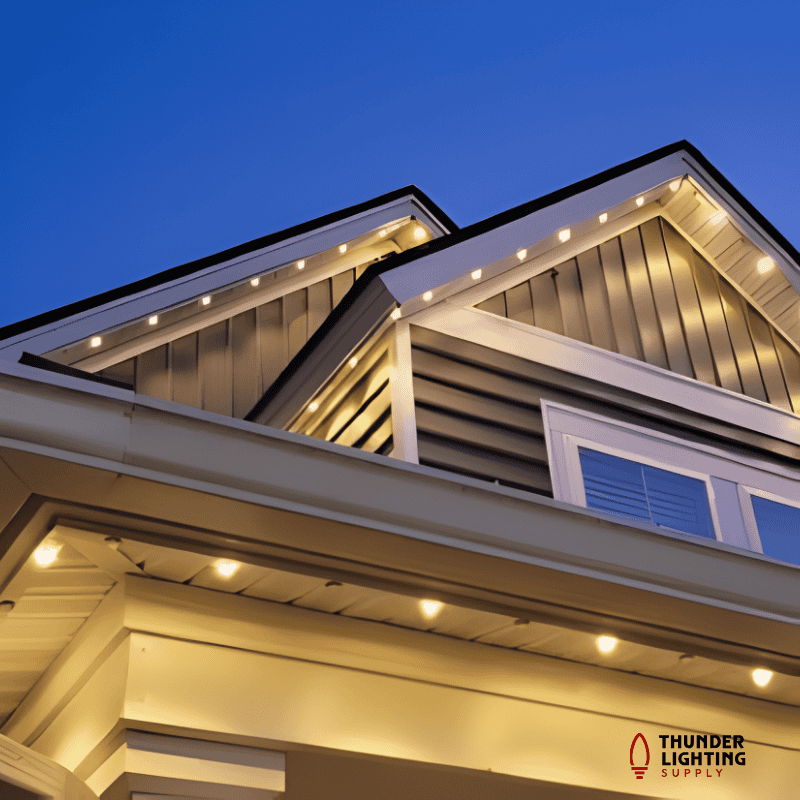
Types of Soffit Lighting Systems Installers Use
| System Type | Best Use Case | Strengths | Installation Considerations |
| Recessed LED Soffit Lights | Residential perimeter lighting | Clean finish, wide beam spread, modern look | Match cut size precisely, confirm wet/damp rating |
| MR16 Directional Soffit Lighting | Highlighting columns, stone, entryways | Adjustable beam control, focused accents | Maintain consistent beam angles, precise alignment required |
| Linear LED / Strip Systems | Long eave runs, modern builds | Seamless continuous light, architectural appearance | Ensure heat dissipation, straight channel alignment, diffuser consistency |
| Permanent RGB Soffit Lighting Systems | Year-round decorative + holiday lighting | App control, zoning, color scenes, holiday programming | Plan controller placement, manage voltage drop, calculate power injection intervals |
Pre-Install Planning: What Experienced Installers Check First
Before drilling the first hole, seasoned installers slow down just enough to avoid rework later. Planning is where clean installs are won.
Key checks before soffit lighting installation:
- Soffit material: vinyl, aluminum, wood, or fiber cement
- Available clearance above the soffit
- Existing attic access and wire pathways
- Vent placement and airflow clearance
- Local electrical code requirements
- Transformer location if low-voltage lighting is used
Skipping these steps is how a “quick install” turns into a callback.
Electrical Load & Power Planning
This is where professional installs separate from rushed jobs.
Calculate:
- Total fixture wattage
- Number of fixtures per circuit
- Voltage (12V vs 24V)
- Transformer capacity with 20–30% headroom
- Maximum LED run length before voltage drop
For permanent soffit lighting systems, power injection may be required at intervals to maintain brightness consistency.
Overloading circuits or undersizing transformers leads to flicker, dimming, and callbacks.
Choosing the Right Fixtures for Soffit Lighting Installation Project
When sourcing fixtures, look for:
- Damp or wet location ratings
- Drivers rated for exterior temperature swings
- Consistent beam angles across fixtures
- Long LED lifespan to reduce future service calls
When clients ask about color temperature, 2700K–3000K works well for residential properties, while 4000K is typically preferred for commercial soffit and permanent lighting.
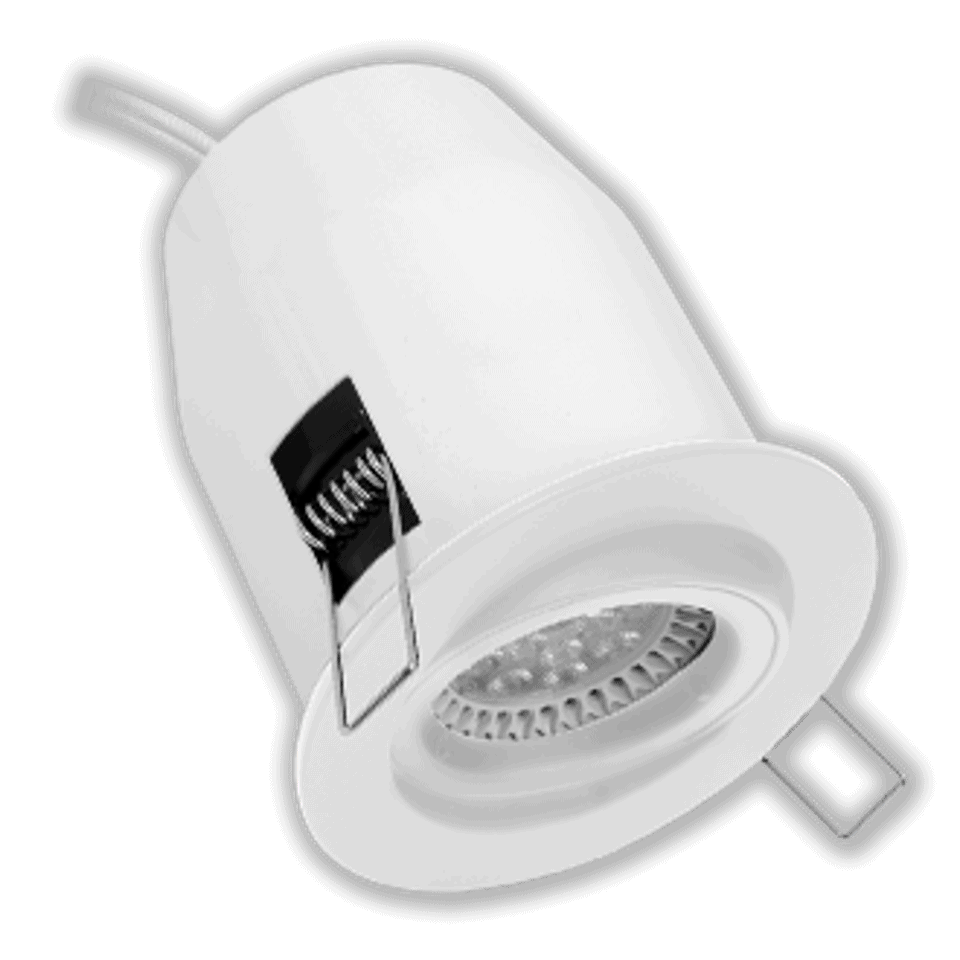

Step-by-Step: How Installers Install Soffit Lights Cleanly
This is where precision beats speed every time.
1. Layout the lighting pattern
Even spacing is critical. Mark fixture centers before cutting anything.
2. Cut soffit openings carefully
Use hole saws matched exactly to fixture specifications. Loose cuts lead to visible gaps and unhappy clients.
3. Run wiring safely
Secure wiring inside the attic, maintain distance from vents, and follow proper support and fastening practices.
4. Make weather-rated connections
Exterior-rated junctions and connectors help prevent corrosion, flickering, and early failures.
5. Mount and seal fixtures
Use gaskets or exterior-grade sealant to prevent moisture intrusion and movement.
6. Test before final closure
Always power on and test before locking soffit panels back into place.
Installers who rush steps three and four usually meet step seven: returning unpaid.
Common Mistakes Installers Avoid on Soffit Lighting Jobs
Even skilled tradespeople can trip up on soffit lighting if details are overlooked.
- Installing lights too close to soffit vents, restricting airflow
- Mixing fixtures with different beam spreads or color temperatures
- Overloading circuits with too many fixtures
- Forgetting expansion room for vinyl soffits
Soffit lighting rewards patience and punishes shortcuts.
Turn Soffit & Permanent Lighting Into a New Revenue Stream
At Thunder Lighting Supply, we don’t just sell products — we help installers build profitable lighting services.
Get Free Training
Pricing Soffit Lighting Installation for Profit
Soffit lighting often looks simple on paper, which is why it’s frequently underpriced.
When pricing a soffit lighting installation:
- Charge per fixture plus wiring complexity
- Account for attic access and soffit material
- Include trim work, sealing, and testing time
Bundling soffit lighting with siding, roofing, or exterior remodels increases ticket size without doubling labor.
Why Installers Source Soffit Lighting From the Right Wholesaler
Clean installs start with reliable products. Installers who work with a lighting wholesaler that understands real jobsite conditions save time and protect margins.
At Thunder Lighting Supply, we help installers choose soffit lighting fixtures that:
- Fit properly with minimal modification
- Perform consistently across entire runs
- Reduce returns, replacements, and callbacks
Whether you’re installing soffit lights on a single home or across a commercial property, sourcing the right products makes the install smoother from the first cut to final test.
Final Thoughts for Installers
Installing soffit lighting successfully means understanding the full system, from fixture selection and layout planning to power calculations and long-term performance. Whether you’re comparing soffit lighting vs. uplighting, exploring exterior soffit lighting ideas, or mastering these details turns soffit lighting into a reliable, repeatable service that adds real revenue to your business.
If you’re ready to add soffit or permanent exterior lighting as a structured, high-margin offering, we host free installer-focused training events where you can see systems in action and learn best practices firsthand. View upcoming events here.
